Every day, thousands of companies face invisible yet very real threats: phishing, ransomware, sensitive data theft… No industry is spared, and SMEs as well as large organizations are now targeted. The consequences of a cyberattack can be devastating: financial losses, business interruption, reputational damage, or even legal penalties. In this context, cybersecurity is no longer optional — it is a strategic priority.
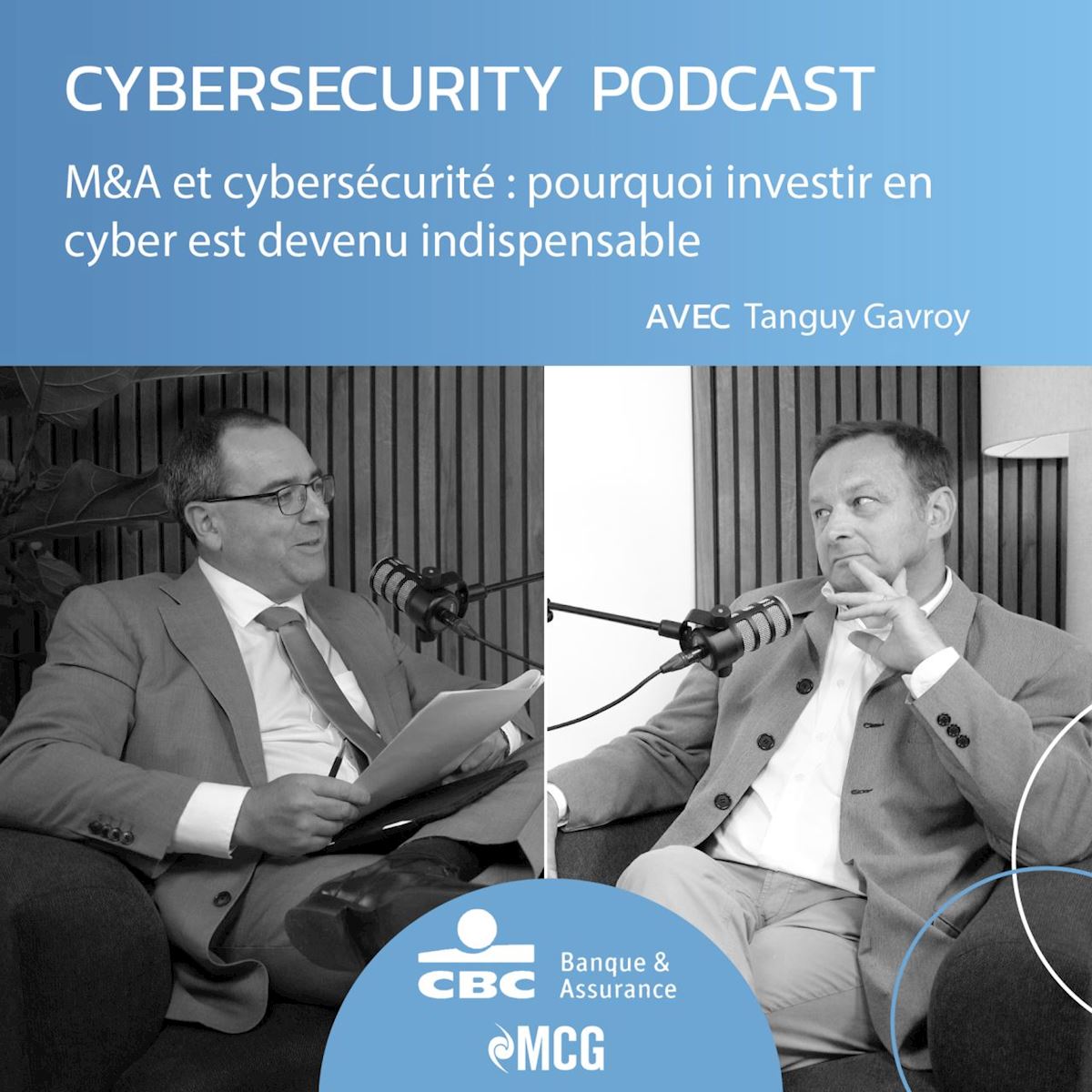
Calling on a cybersecurity consultant allows you to anticipate risks, strengthen your defenses, and secure your business operations. Gregorio Matias, Founder of MCG, and Tanguy Gavroy, M&A expert at CBC Banque & Assurances, explain why engaging a cybersecurity consultant has become essential today.
For a long time, cybersecurity was perceived as a concern reserved for large multinational companies. Today, the reality is very different: more than half of recorded cyberattacks now target SMEs. The reason is simple — they often rely on less protected systems and have limited internal resources, making them ideal targets.
“In 2024, 55% of data leakage attempts resulted in a successful cyberattack. This rate was only 35% in 2023.”
Gregorio Matias
Cyber threats are diverse:
Phishing: fraudulent emails designed to trick users into clicking malicious links or sharing credentials.
Ransomware: malicious software that locks access to data until a ransom is paid.
Intrusions: exploitation of system vulnerabilities to access servers and steal sensitive information.
Beyond immediate financial losses, an attack can severely damage the trust of customers, partners, and potential future buyers. It can also result in heavy penalties in case of GDPR non-compliance. In short, ignoring cybersecurity means putting the future of your business at risk.
“Today, cybersecurity is systematically reviewed by buyers before acquiring a company. Alongside environmental factors, it is one of the areas whose importance has increased significantly in recent years.”
Tanguy Gavroy
But what does a cybersecurity consultant actually bring to your organization? Their role goes far beyond installing antivirus software or configuring a firewall. A consultant is an expert capable of analyzing a company’s entire digital ecosystem and identifying vulnerabilities.
Key responsibilities include:
IT security audits: identifying weaknesses in systems, applications, and internal processes.
Implementation of tailored solutions: deploying appropriate technical measures such as encryption, strong authentication, and secure backups.
Awareness and training: employees are often the weakest link; consultants train teams to adopt the right cybersecurity reflexes.
Continuous monitoring and support: threats evolve rapidly, making ongoing follow-up essential.
A cybersecurity consultant does not offer a one-size-fits-all solution. Their approach is customized, as the needs of a law firm differ greatly from those of an e-commerce business or an industrial SME.
Cyberattacks are no longer limited to “classic” viruses. Today’s attackers leverage artificial intelligence, social engineering, and advanced techniques to bypass security defenses.
With GDPR and other sector-specific regulations, companies are required to guarantee the protection of personal data. A data breach can lead to fines of up to 4% of global annual turnover.
“NIS2, the European regulation transposed into Belgian law, imposes a set of measures depending on company size. SMEs are not directly subject to it, but when they work with larger organizations such as hospitals, they are now required to implement cybersecurity measures. An unprotected SME will ultimately lose all clients who are themselves subject to NIS2.”
Gregorio Matias
Production shutdowns, blocked e-commerce platforms, or the publication of confidential data can be extremely costly. Customers quickly lose trust.
Cybersecurity is a highly technical field. Most SMEs do not have the resources or skills to maintain advanced protection internally. Turning to an external expert is often the most realistic solution.
“We still don’t see many external experts being involved. Buyers themselves often try to assess cybersecurity, overlooking certain aspects due to lack of expertise. Calling on an external expert will become more common in the coming years, but today it remains rare, especially among SMEs.”
Tanguy Gavroy
Hiring a cybersecurity consultant is a strategic investment. By anticipating threats instead of reacting to them, companies significantly reduce the costs associated with potential attacks. They protect the trust of customers, partners, and investors who require strong guarantees regarding data security. This trust becomes a real business asset and strengthens brand credibility.
Professional support ensures business continuity through reliable backups and incident recovery plans. Even in the event of an attempted intrusion, operations can continue without major disruption. Finally, a robust security strategy can be a strong differentiator in the market — and in some sectors, a decisive competitive advantage.
“Spending money on cybersecurity will never be perceived negatively by a potential buyer. On the contrary, it reassures them about the company’s security and its ability to withstand potential attacks.”
Tanguy Gavroy
Not all expertise is equal. When selecting the right cybersecurity partner, several criteria should be considered:
In today’s environment, neglecting your company’s cybersecurity means taking a major risk — financially, reputationally, and even in terms of survival.
A cybersecurity consultant provides the expertise, strategy, and ongoing support needed to anticipate threats, meet regulatory requirements, and protect customer trust. This is precisely MCG’s mission: helping you sustainably strengthen your organization’s security.
Don’t leave the future of your business to chance. Contact MCG today and secure your operations with the support of a cybersecurity consultant.